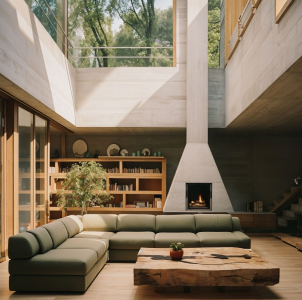
Building construction encompasses the entire process of planning, designing, and erecting a structure. It involves multiple stages, each with specific steps and considerations. Here's a breakdown of the key phases of building construction:
1. Pre-Construction Phase:
- Site Selection and Analysis: Choosing the right site involves assessing zoning laws, environmental conditions, and accessibility.
- Design Development: Architects and engineers create the building's blueprints. These include layout plans, structural engineering designs, and systems like HVAC, plumbing, and electrical.
- Budgeting and Cost Estimation: Detailed cost estimates are created based on the design, materials, labor, and other factors. Financial backing or approval is often required at this stage.
- Permitting and Approvals: Before construction begins, the necessary permits and licenses must be acquired from local government bodies. These include zoning permits, construction permits, and environmental clearances.
2. Construction Phase:
- Site Preparation: This step includes clearing the site, leveling the ground, and setting up necessary infrastructure like access roads.
- Foundation Work: Depending on the type of structure (residential, commercial, etc.), the foundation could be a slab, crawlspace, or full basement. The foundation is crucial for supporting the entire weight of the building.
- Structural Framing: The skeleton of the building is constructed, typically using steel, wood, or concrete. This is when the building's overall shape and structure start to take form.
- Roofing and Exterior Walls: Once the framework is complete, the roof structure is built, and exterior walls are erected, often including windows and doors.
- Electrical, Plumbing, and HVAC Systems: After the shell of the building is constructed, systems for electricity, water, and heating/cooling are installed. This involves running wiring, pipes, ducts, and fixtures.
- Interior Finishing: This stage includes insulation, drywall installation, flooring, cabinetry, painting, and other interior work that makes the building livable or usable.
- Exterior Finishing: This includes any exterior finishes such as cladding, paint, windows, doors, and landscaping that make the building aesthetically complete.
3. Post-Construction Phase:
- Inspection and Testing: Before the building can be used, it must pass several inspections to ensure it meets building codes and safety standards.
- Final Approvals: Once the building passes inspection, a certificate of occupancy (CO) is issued, which legally authorizes the building to be inhabited or used.
- Handover: At this point, the construction company hands over the completed building to the owner. Maintenance manuals and warranty documents for various systems are provided.
- Post-Occupancy Evaluation: In some cases, a post-occupancy evaluation may be conducted to assess how well the building performs in its intended use and if any adjustments or repairs are needed.
Key Types of Building Construction:
- Residential Construction: Includes single-family homes, multi-family units, and apartment complexes.
- Commercial Construction: Includes office buildings, retail stores, malls, and hotels.
- Industrial Construction: Includes factories, warehouses, and distribution centers.
- Institutional Construction: Includes schools, hospitals, government buildings, and other public facilities.
- Infrastructure Projects: Includes bridges, roads, airports, and utilities.
Emerging Trends in Construction:
- Sustainable Building Practices: Use of eco-friendly materials, energy-efficient systems, and green roofs to reduce a building’s environmental impact.
- Smart Buildings: Buildings equipped with advanced technology, such as smart thermostats, security systems, lighting controls, and sensors that can be managed remotely.
- Modular and Prefabricated Construction: Buildings constructed from pre-manufactured sections or modules to reduce construction time and costs.
- 3D Printing: This emerging technology allows for the printing of entire buildings or components, often using sustainable materials, which reduces waste and labor costs.
Construction Safety:
- Worker Safety: Construction sites must adhere to strict safety protocols to prevent accidents, including the use of personal protective equipment (PPE), proper scaffolding, fall protection, and machinery training.
- Site Safety Plans: A comprehensive safety plan must be in place to manage potential hazards, including hazardous materials, site-specific risks, and emergency procedures.
Is there a specific type of building construction or technique you're curious about, or do you need help with a particular project?